
Seizures in Dogs and Cats: What to Do and Why Timing Matters
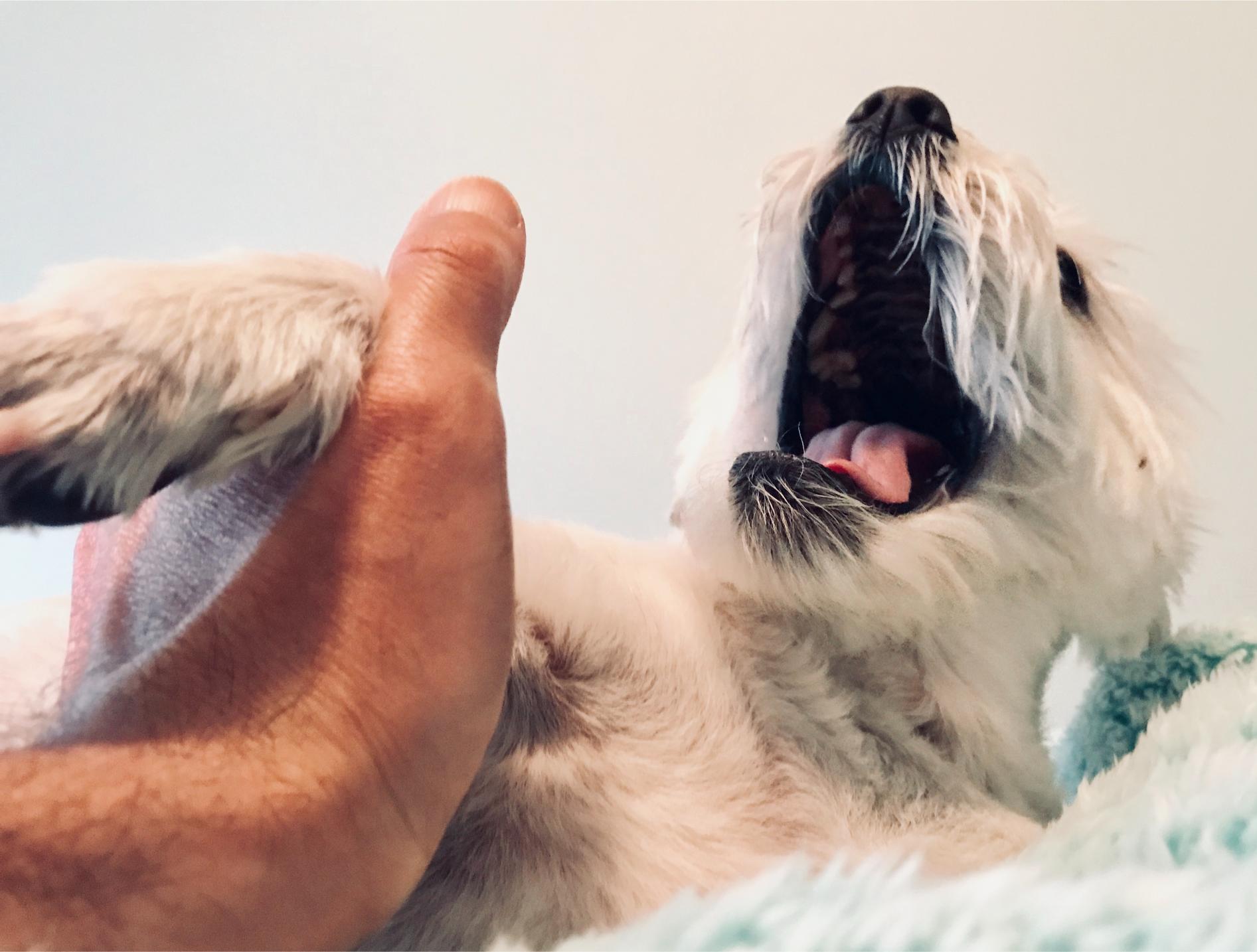
Seeing your pet have a seizure can be terrifying. One moment everything seems normal, and the next your dog or cat is disoriented, twitching, or completely unresponsive. While seizures are more common than many pet owners realize, they’re still an emergency that deserves attention.
At East Sacramento Veterinary Center, we believe understanding what’s happening and knowing when timing truly matters can make all the difference for your pet’s health and long-term comfort.
What Does a Seizure Look Like in Pets?
Seizures don’t always look dramatic, and they don’t always involve full-body convulsions. Some pets may have subtle signs that are easy to miss if you’re not sure what to look for.
Common seizure symptoms in dogs and cats include:
- Muscle twitching or stiffening
- Paddling movements of the legs
- Drooling, foaming at the mouth, or chomping motions
- Sudden collapse or loss of consciousness
- Temporary blindness or confusion afterward
Not every seizure looks the same, even in the same pet. Some last only seconds, while others continue for several minutes and require immediate veterinary care.
Dog Seizure: What to Do in the Moment
Knowing what to do if your dog has a seizure can help you stay calm and protect your pet. While you can’t stop the seizure once it starts, your actions still matter.
If your dog is having a seizure:
- Move furniture or objects away to prevent injury
- Avoid touching your dog’s mouth or face
- Keep your voice calm and your movements slow
- Time the seizure, if possible
Once the seizure ends, your dog may seem disoriented or restless. This post-seizure phase can last minutes to hours. Even if your dog appears to recover quickly, it’s essential to contact your veterinarian for guidance on the next steps.
Cat Seizure Causes: Why They Happen
Understanding cat seizures can be especially tricky because they are less common in cats than in dogs and often linked to underlying health issues. Identifying the cause is essential for proper treatment.
Possible cat seizure causes include:
- Toxins or accidental ingestion
- Metabolic disorders such as liver disease
- Brain inflammation or infection
- Trauma
- Structural brain abnormalities
Because cats are masters at hiding illness, a seizure may be the first visible sign that something more serious is going on. Prompt evaluation helps narrow down the cause and determine whether long-term management is needed.
Why Timing Matters More Than You Think
A single seizure is concerning. Multiple seizures close together raise the stakes. Cluster seizures in pets, defined as two or more seizures within 24 hours, are especially dangerous and require urgent veterinary care.
Timing matters because:
- Repeated seizures can cause overheating and brain injury
- Recovery between seizures may become shorter or incomplete
- Delayed treatment increases the risk of emergencies
Early intervention allows your veterinary team to stabilize your pet, adjust medications if needed, and reduce the risk of future episodes.
When to Call Your Veterinarian Right Away
Not every seizure means a midnight emergency trip, but some situations should never wait. Contact your veterinarian immediately if:
- A seizure lasts longer than five minutes
- Your pet has more than one seizure in a day
- This is your pet’s first seizure
- Your pet does not fully recover afterward
When in doubt, it’s always better to call. When you’re unsure, a quick call can provide clarity and peace of mind. With seizures, early guidance is always better than delayed action.
A Steadier Path Forward for Your Pet
Seizures are frightening, but they don’t have to define your pet’s life. With proper care, many dogs and cats go on to live happy, comfortable lives with seizures well managed. At East Sacramento Veterinary Center, our team takes the time to understand your pet’s unique needs and create a thoughtful plan for ongoing care.
If your pet has experienced a seizure, or if you have questions about what you’re seeing, call us at (916) 737-5673 to schedule an appointment. We’re here to guide you through the next steps with compassion, clarity, and the attentive care your pet deserves.