
Is My Senior Cat Sleeping Too Much? Normal Aging vs. Illness
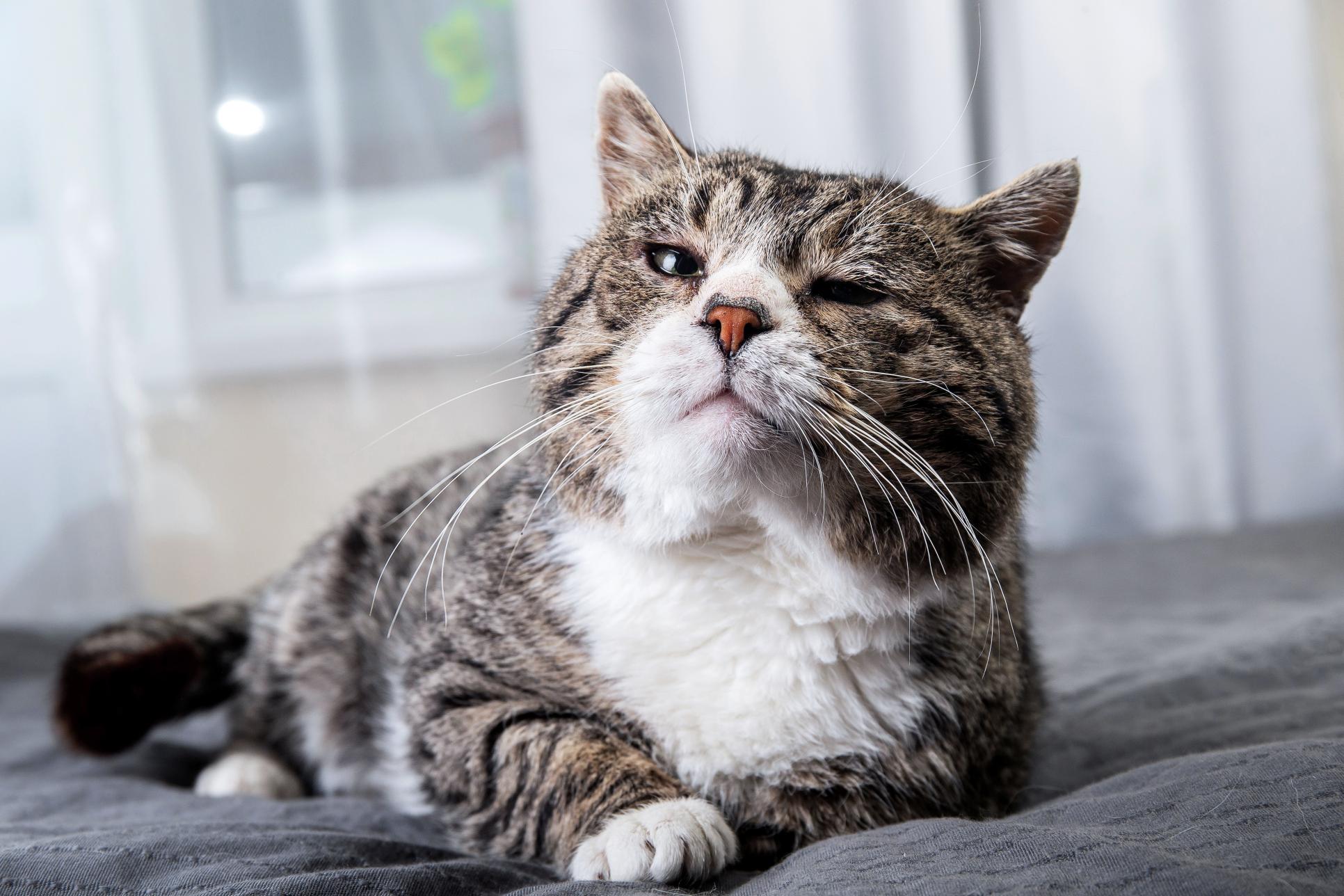
Cats have turned napping into an art form. Give them a warm patch of sunlight, a quiet corner, or an empty cardboard box, and they’re perfectly content to spend the afternoon dreaming. As the years pass, it’s perfectly normal for these cozy cat naps to gradually get longer. The question is, when does “normal” increased senior cat sleeping become something worth investigating?
At East Sacramento Veterinary Center, we help pet parents understand the difference between healthy aging and older cat behavior changes that warrant closer attention.
Is More Sleep Normal for Aging Cats?
Yes, to a point. Aging cats have slower metabolisms, less energy than they had as kittens or young adults, and some may have arthritis, which makes movement less comfortable. Many older cats still enjoy playtime with their families. They just tend to recharge a little more often.
It’s perfectly normal for senior cats to:
- Nap more frequently throughout the day
- Spend less time climbing or jumping
- Prefer quieter, more comfortable resting places
- Have shorter bursts of activity between naps
When Should You Be Concerned?
It’s not just about how long your cat sleeps. It’s also about how they act when they’re awake. Sometimes older cat behavior changes can signal an underlying medical condition rather than normal aging.
Schedule a veterinary examination if your cat:
- Suddenly sleeps much more than usual
- Seems difficult to wake up
- Stops showing interest in food or family interactions
- Hides more often
- Loses weight
- Has trouble getting comfortable
- Seems weak or unusually quiet
Could Illness Be Causing the Change?
Several health conditions can lead to increased senior cat sleeping or reduced activity, including:
- Arthritis
- Kidney disease
- Diabetes
- Hyperthyroidism
- Heart disease
- Chronic pain
Because many of these conditions develop gradually, subtle changes in behavior are often the earliest clues that something isn’t quite right.
Helping Your Aging Cats Thrive
Supporting aging cats often involves making simple adjustments that improve comfort and quality of life.
Consider:
- Providing multiple soft, warm sleeping areas
- Using ramps or steps to reach favorite spots
- Scheduling more frequent senior pet wellness exams
- Monitoring appetite, weight, and litter box habits
- Encouraging gentle play when your cat feels up to it
These small changes at home, combined with routine veterinary care, can help senior cats remain comfortable and active for years to come.
Every Cat Nap Doesn’t Need a Wake-Up Call
Cats have earned their reputation for being Olympic-caliber nappers, and many senior felines simply enjoy life at a slower pace.
The important thing is noticing when “more sleep” becomes “less engagement.” If a senior cat sleeping has you concerned, or your cat seems less interested in eating, playing, grooming, or spending time with family, please reach out to our team at (916) 737-5670. Together, we can help your feline friend age comfortably and gracefully.